
Meet the Team
Our international team of researchers brings together diverse expertise across quantum science from quantum field theory, information, and complexity to cryptography, quantum gravity, and the AdS/CFT correspondence.
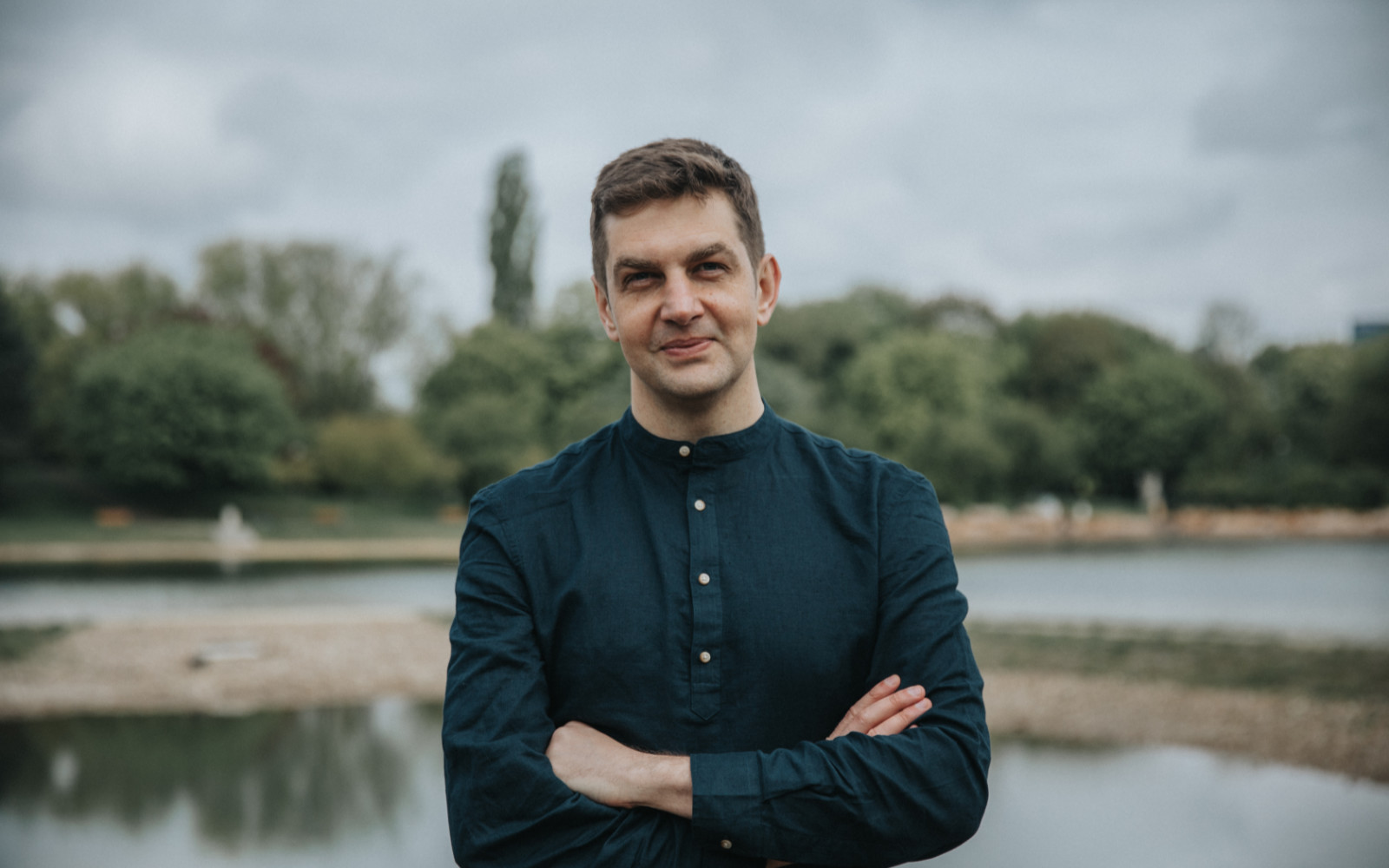
Team leader
Paweł Caputa
Pawel Caputa is a faculty member at the Department of Physics (Fysikum) and the Oskar Klein Centre, Stockholm University. Since 2024, he has also been a Visiting Associate Professor at the Yukawa Institute for Theoretical Physics in Kyoto, Japan, and an Affiliate Professor at the Institute of Theoretical Physics, University of Warsaw, Poland.
His research spans integrability, 1/N corrections, and tests of the AdS/CFT correspondence. More recently, his interests have focused on entanglement dynamics and quantum complexity in quantum field theories, the emergence of geometry from quantum information, quantum gravity, and the AdS/CFT correspondence.
In Stockholm, he leads the Quantum Information in Quantum Gravity group, supported by the ERC Consolidator Grant “QComplexity.” Outside of physics, he enjoys hiking, running, and spending time in Kyoto.
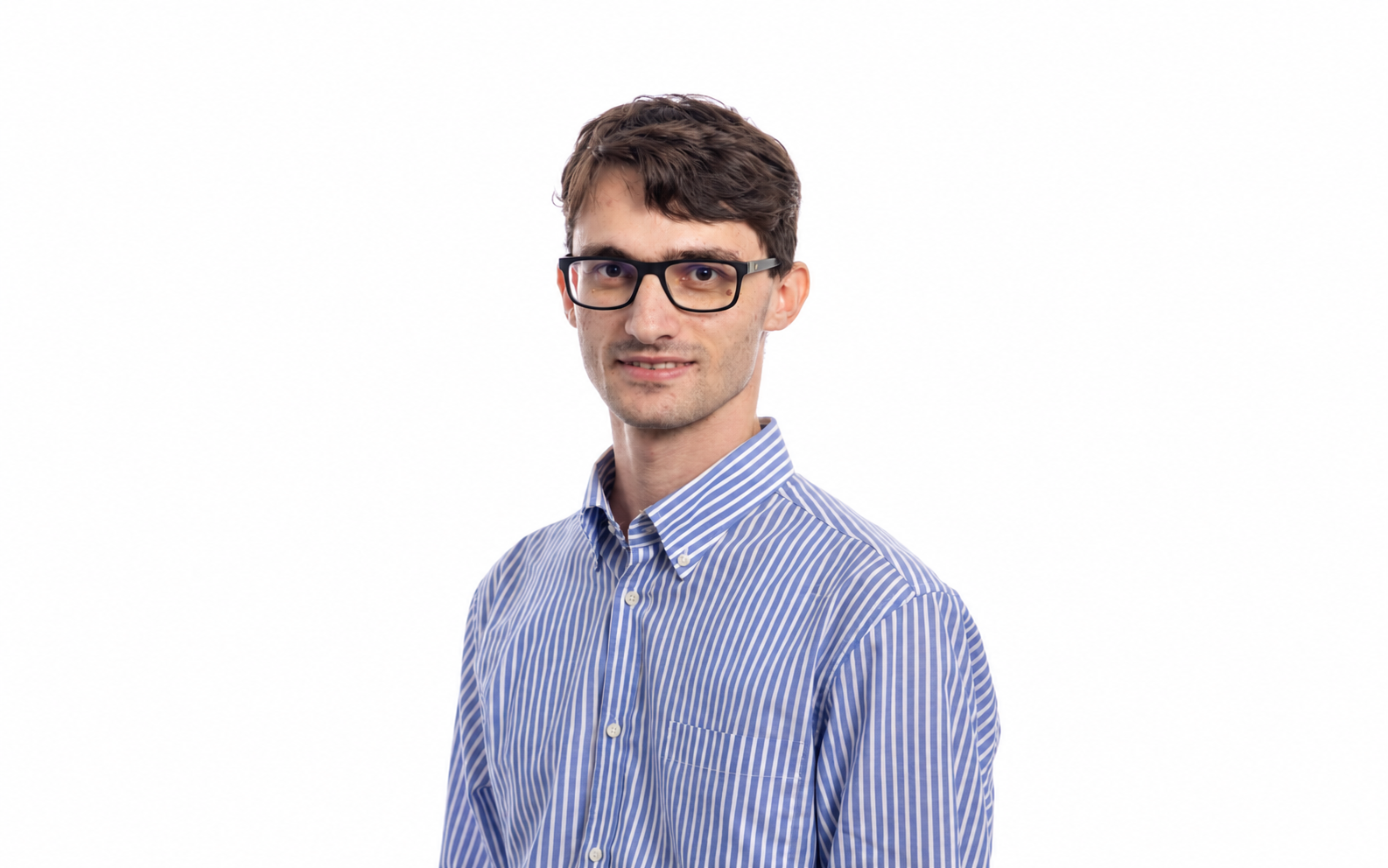
Post Doc
Stefano Baiguera
I am a postdoctoral researcher in theoretical physics working on quantum information science, gravity and quantum field theory. I obtained my PhD in 2020 at Università degli Studi di Milano-Bicocca. Afterwards, I was a postdoctoral fellow at Niels Bohr Institute in Copenhagen, at Ben-Gurion University of the Negev in Beer Sheva, and at Istituto Nazionale di Fisica Nucleare in Perugia. I will join Stockholm University in the Fall of 2026.
My research activity focuses on various aspects of quantum information, gravity, and non-Lorentzian limits. During my career, I explored several notions of complexity - a tool that quantifies the difficulty of preparing a state or implementing a unitary operation - both in gravitational physics and quantum systems. I investigated holographic complexity in de Sitter spacetime, which describes the early and late stages of our universe’s evolution. I also applied the holographic principle to compute the entanglement spectrum, Rényi and entanglement entropies.
In parallel, I analyzed non-Lorentzian limits of quantum field theories and string theory to unravel foundational features of the AdS/CFT correspondence. I studied the realization of supersymmetry in certain non-relativistic theories (including its renormalization properties), and I studied the holographic duality in controlled regimes where non-perturbative effects are included. Finally, I am also intrigued by the theoretical description of defects and boundaries.
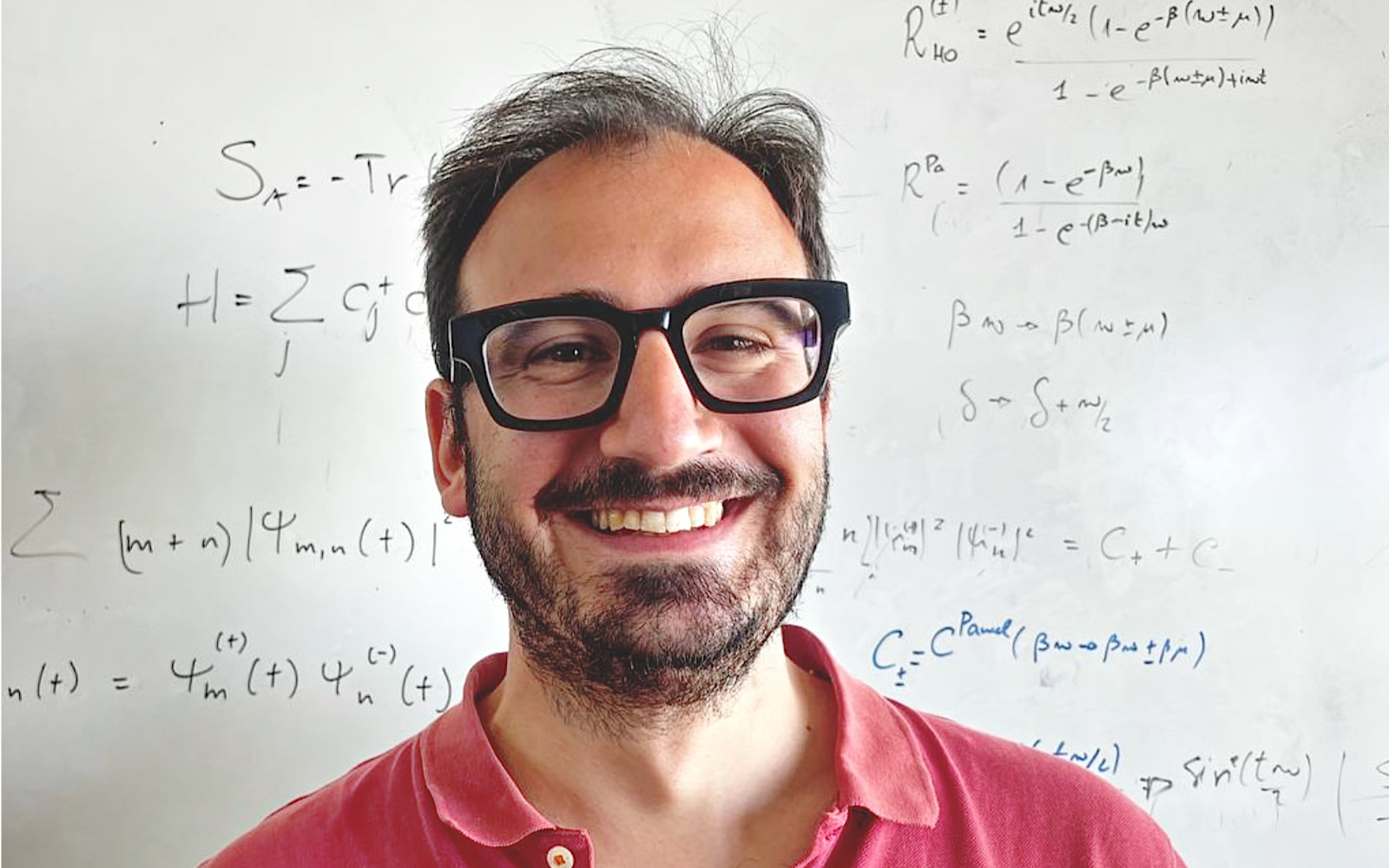
Post Doc
Giuseppe
Di Giulio
Theoretical physicist working at the interface between Quantum Information Theory, Quantum Matter, and Quantum Gravity. I obtained Ph.D. in Statistical Physics in 2021 at the International School for Advanced Studies (SISSA) in Trieste. Then, I moved to the Julius-Maximilians University of Würzburg for my first postdoc at the Chair of Theoretical Physics III. In October 2024, I joined Stockholm University.
My research lies at the intersection of quantum information, condensed matter, and high-energy physics, exploiting the synergies among these fields to advance our understanding of entanglement, many-body physics, and quantum gravity. I am interested in how quantum information and quantum correlations are encoded in quantum systems and how they influence their physical behaviors.
In addition to techniques borrowed from quantum many-body physics, I often take inspiration from questions arising in the context of quantum gravity, studied through the lens of the AdS/CFT correspondence. The recently drawn insightful connections between holography and quantum information bridge the distinct areas of my research interests. I am intrigued by what we can learn about quantum gravity through many-body systems or whether holography can suggest insights into quantum matter.
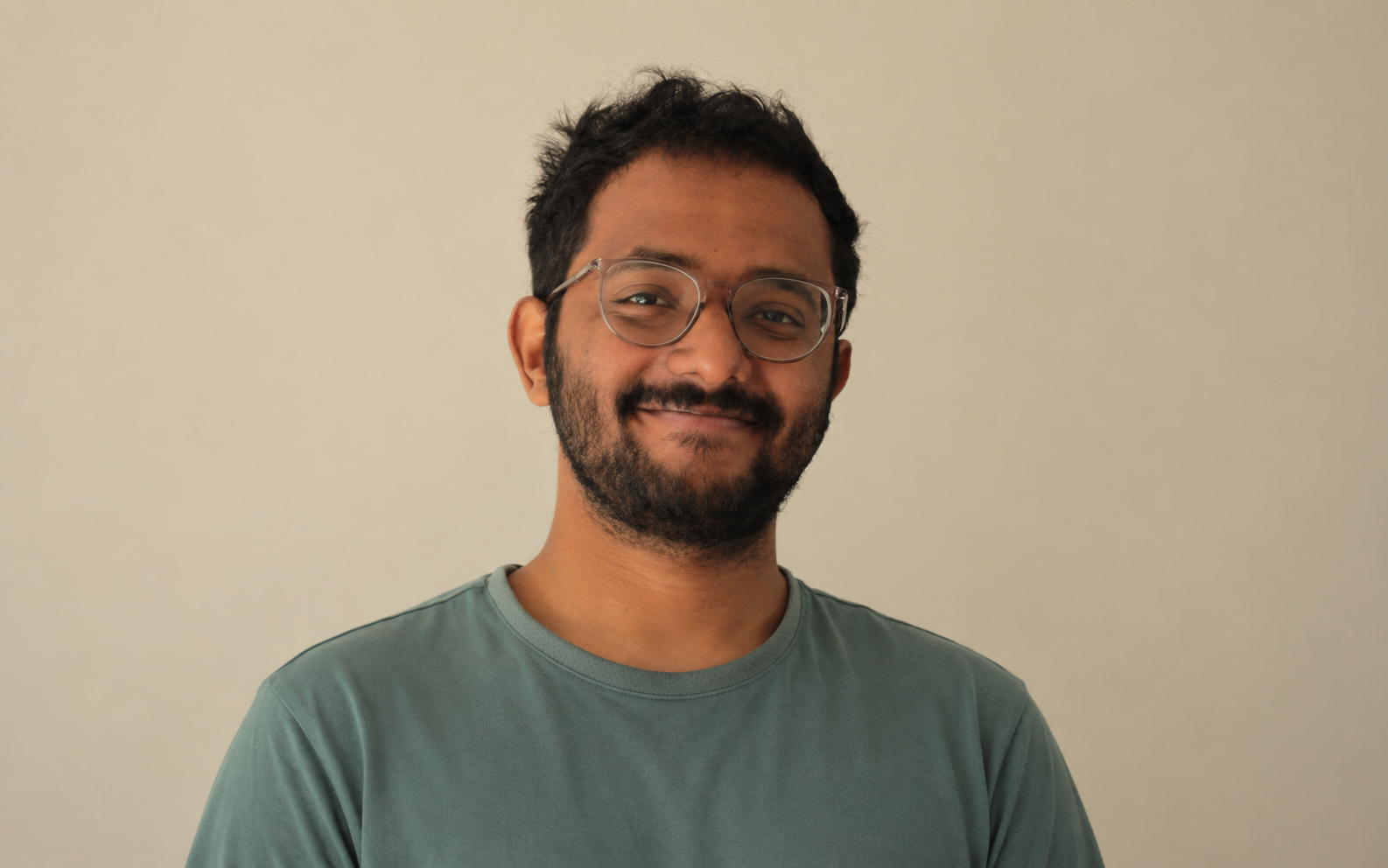
Post Doc
Vyshnav Mohan
Vyshnav's research is on fundamental aspects of theoretical high-energy physics, with an emphasis on using the AdS/CFT correspondence to study quantum gravity and black holes. He is currently interested in understanding how the black hole interior emerges in holography. A related question is the identification of holographic probes of black hole singularities and the role they play in understanding their resolution in quantum gravity. These problems require tools from algebraic quantum field theory and quantum information theory, such as complexity and entanglement entropy.
He also maintains a strong interest in two-dimensional conformal field theories, as well as in extending the lessons of holography beyond AdS/CFT to de Sitter and asymptotically flat spacetimes.
He obtained his PhD from the University of Iceland in 2026 and will join our group in the fall of 2026.
Post Doc
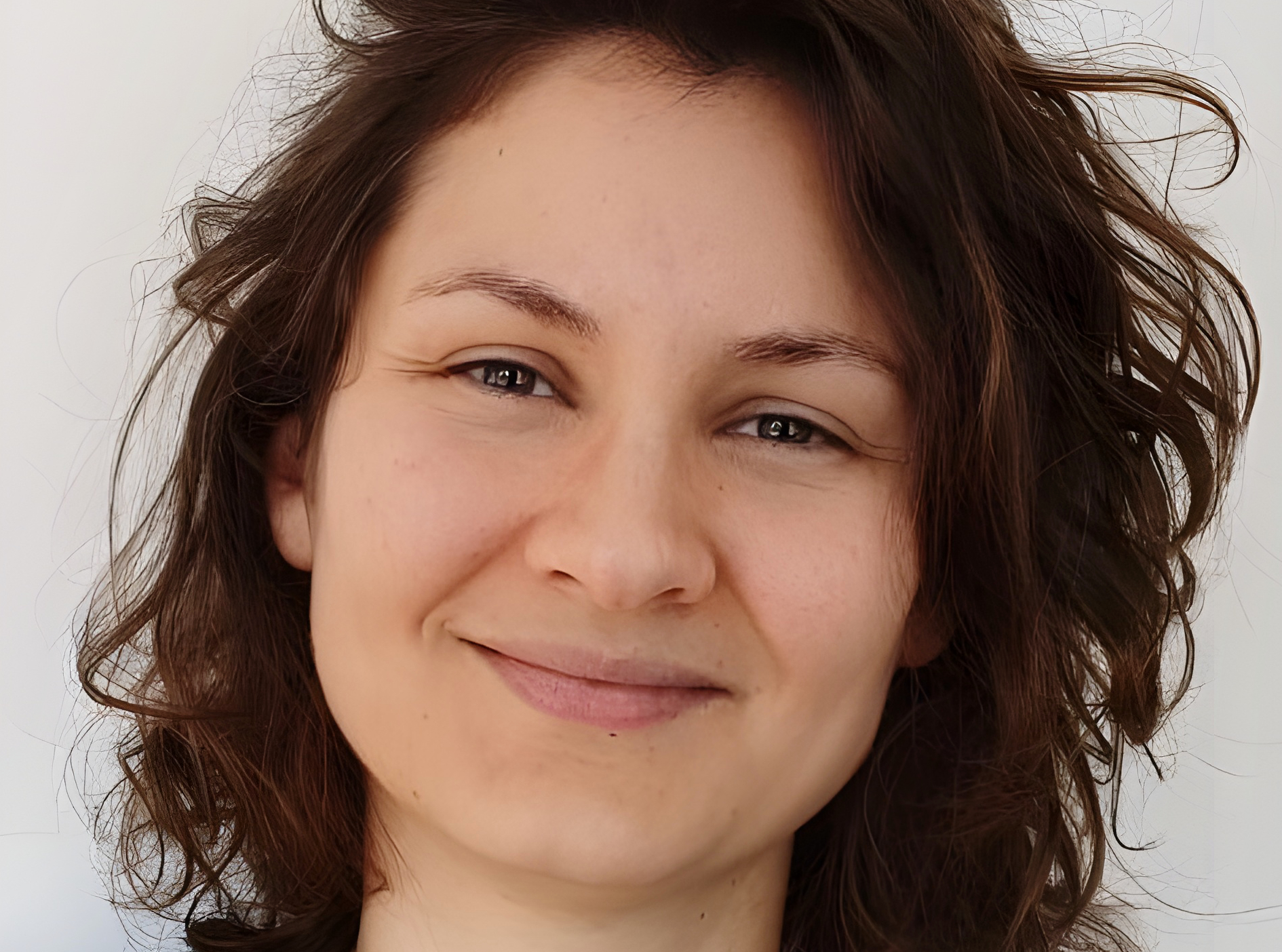
Evita Verheijden
I am a theoretical physicist working on quantum gravity, quantum information, and cryptography. I obtained my PhD in 2022 at the University of Amsterdam, and subsequently was a postdoctoral fellow at Harvard and MIT's Black Hole initiative. I joined Stockholm University in September 2025.
My research focuses on the interplay between horizons and singularities, both of black holes and the expanding universe. I've recently been interested in the problem of cosmic censorship - the conjecture that singularities should be hidden behind horizons - and have borrowed tools from computer science and cryptography to prove a generic condition for event horizon formation in quantum gravity. My other main interest is the dynamics of near-extremal black holes, and the effective (lower-dimensional) theory that describes their near-horizon physics. Many aspects of these black holes are universal, but to construct a microscopic description we need to also understand their non-universal aspects.
Finally, I am fascinated by the dynamics of our expanding universe and the cosmological horizon that surrounds us, and am always searching for opportunities to borrow lessons learned from studying black hole horizons to the cosmological horizon.
PhD Student
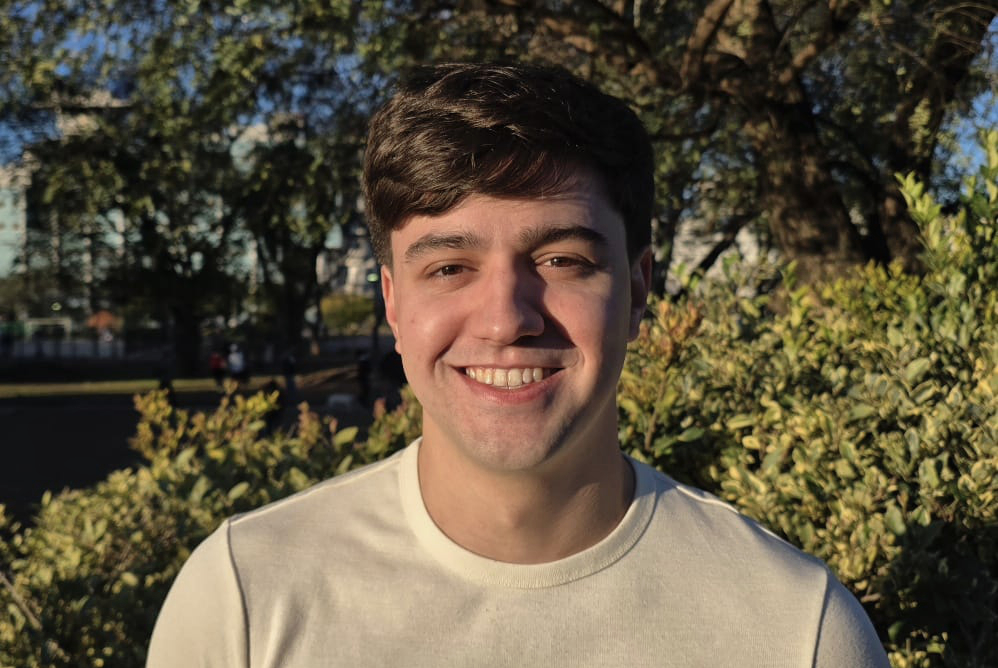
Pedro Castellini Grand
I am an Argentine physicist from Luján, Buenos Aires. My curiosity about how complex processes work has driven me since childhood. A defining moment came in 2012, at the start of high school, when CERN announced the discovery of the Higgs boson—an event that set me firmly on the path to physics.
I began my undergraduate studies at the Universidad de Buenos Aires (UBA) and later moved to Bariloche to complete my degree at the Instituto Balseiro. My undergraduate thesis focused on the Euclidean approach to Bekenstein–Hawking entropy, while I also took introductory courses in Particle Physics and Quantum Field Theory with the “Particles and Fields Group.”
In December 2024, I completed my Master’s degree with a thesis on constructing and counting microstates of black holes with hyperbolic event horizons, later extending the project to include random quantum circuits.
My research interests lie in Quantum Field Theory and Quantum Gravity, especially their intersection with quantum information, holography, and black hole physics. I am also drawn to the algebraic formulation of QFT and non-perturbative aspects of field theory, as well as the broader application of quantum mechanics to complex and biological systems.
Outside research, I enjoy trekking, outdoor activities, and reading literature and non-fiction.
PhD Student
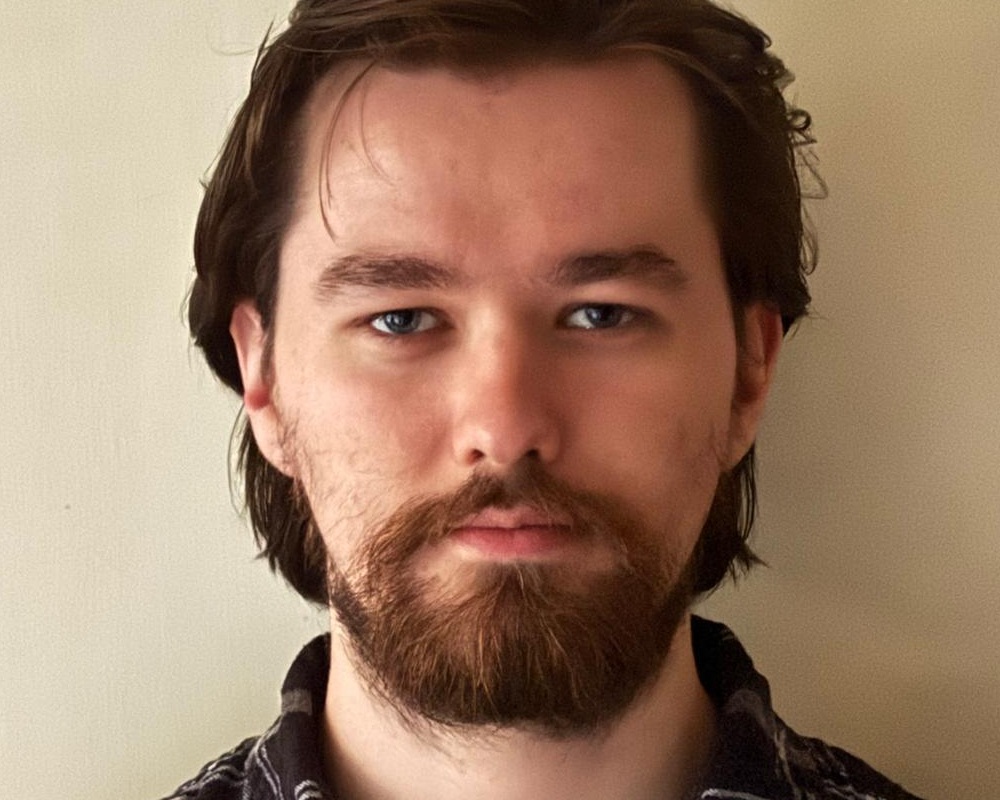
Brian Creed
For my undergraduate thesis I worked with the Quantum Thermodynamics and Information Theory group on Time Crystals in Open Quantum Systems. After this, I completed a one year MSc degree in Trinity College Dublin on Quantum Fields, Strings, and Gravity. My thesis was on Krylov Complexity and Integrable to Chaotic Transitions in N=4 Super Yang-Mills, a work that I'm still continuing here at Stockholm.
Krylov Complexity and its dependence on the initial condition has already proven a useful tool in more simple studies of holography such as the Sachdev-Ye-Kitaev model and two dimensional conformal field theories. However, when applied to quantum field theories in general the construction suffers a few issues. My hope is to improve or circumvent these issues to study Krylov Complexity in the prototypical model of holography, N=4 supersymmetric Yang-Mills theory. This model is known to have both an integrable and a chaotic regime, therefore makes a perfect testing ground for understanding the holographic implications of both dynamics on Krylov Complexity. Ultimately, we hope to learn more about state corresponding to different types of black holes from the holographic gauge theory.
Beyond holography, I am interested Quantum Thermodynamics and Information Theory in closed and open quantum many-body systems. In particular, I am interested in a range of different Eigenstate Thermalisation Hypothesis violating and ergodicity breaking phenomena, such as quantum scars and time crystals. As these are special states in a theory, one must use more dynamical measures to probe their behaviour. Understanding these features of quantum systems can help us better map out the spectrum of dynamics from quantum integrable to chaotic. The region between the two has been illusive and one hopes that a "Quantum KAM" theory could be established to describe it.
PhD Student
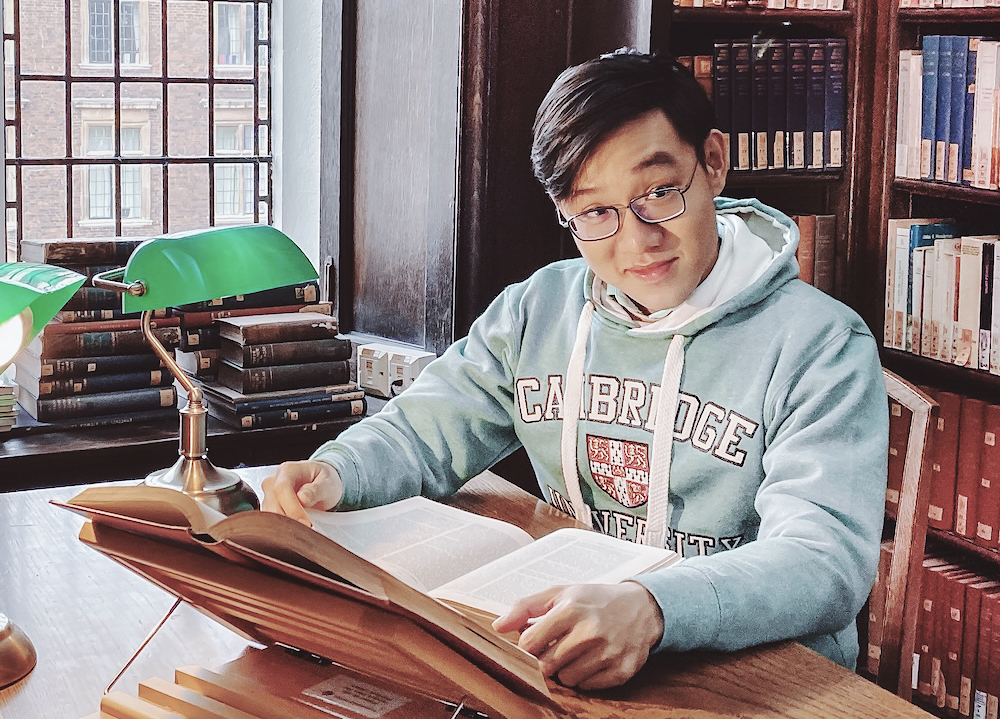
Tran Quang Loc
My research interests include topics in quantum gravity, particularly Krylov complexity and the application of bootstrap techniques across various contexts such as random matrix theory and scattering amplitudes. I am open to collaboration and welcome opportunities to connect.
MSc Student
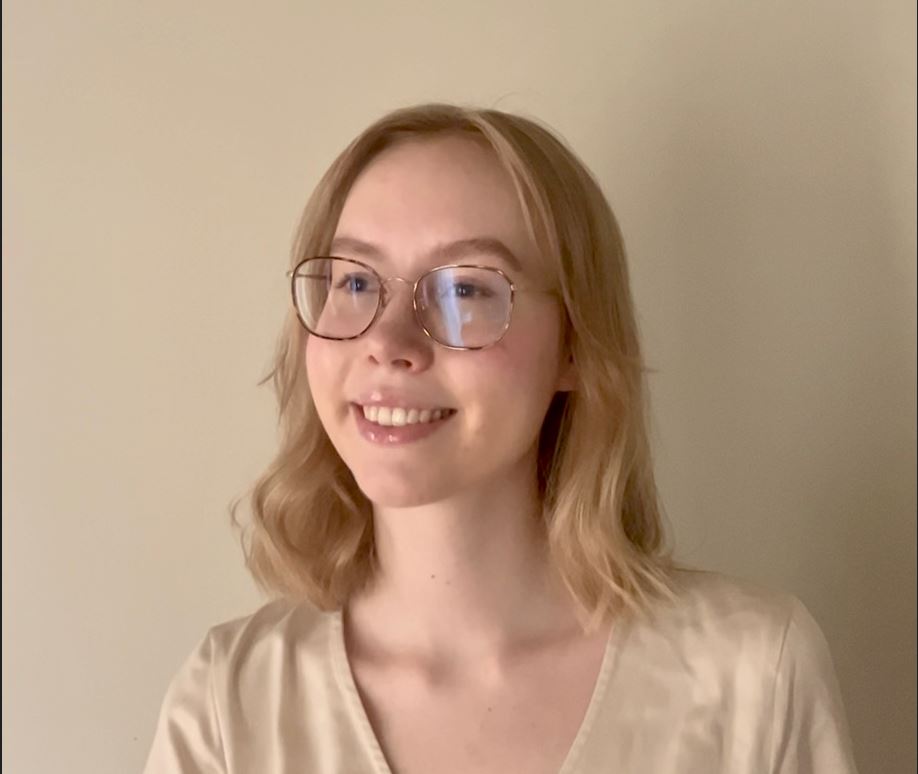
Johanna Adbo
I am a master’s student in theoretical physics at Uppsala University, currently writing my thesis under the supervision of Evita Verheijden and Giuseppe Di Giulio at Stockholm University.
I have always been interested in quantum field theory, differential geometry, and general relativity. During my master’s degree, I took a course in quantum information that inspired me to pursue a thesis involving both quantum gravity and quantum information.
In my current project, I study pseudorandomness and k-designs, and whether these concepts can be used to characterize the Sachdev-Ye-Kitaev (SYK) model. The project relates to quantum gravity, since the SYK model is a candidate for a dual description of AdS2 in the near-horizon regime of near-extremal black holes. The project also relates to quantum information, since pseudorandomness and k-designs are central concepts used to characterize scrambling and randomness in quantum many-body systems.


Contact
Faculty of Physics,
Stockholm University,
Address: A5:1057
Roslagstullsbacken 21 A, plan 5
© QIQG Group 2026